Demo Play: Where It Helps and Where It Doesn't
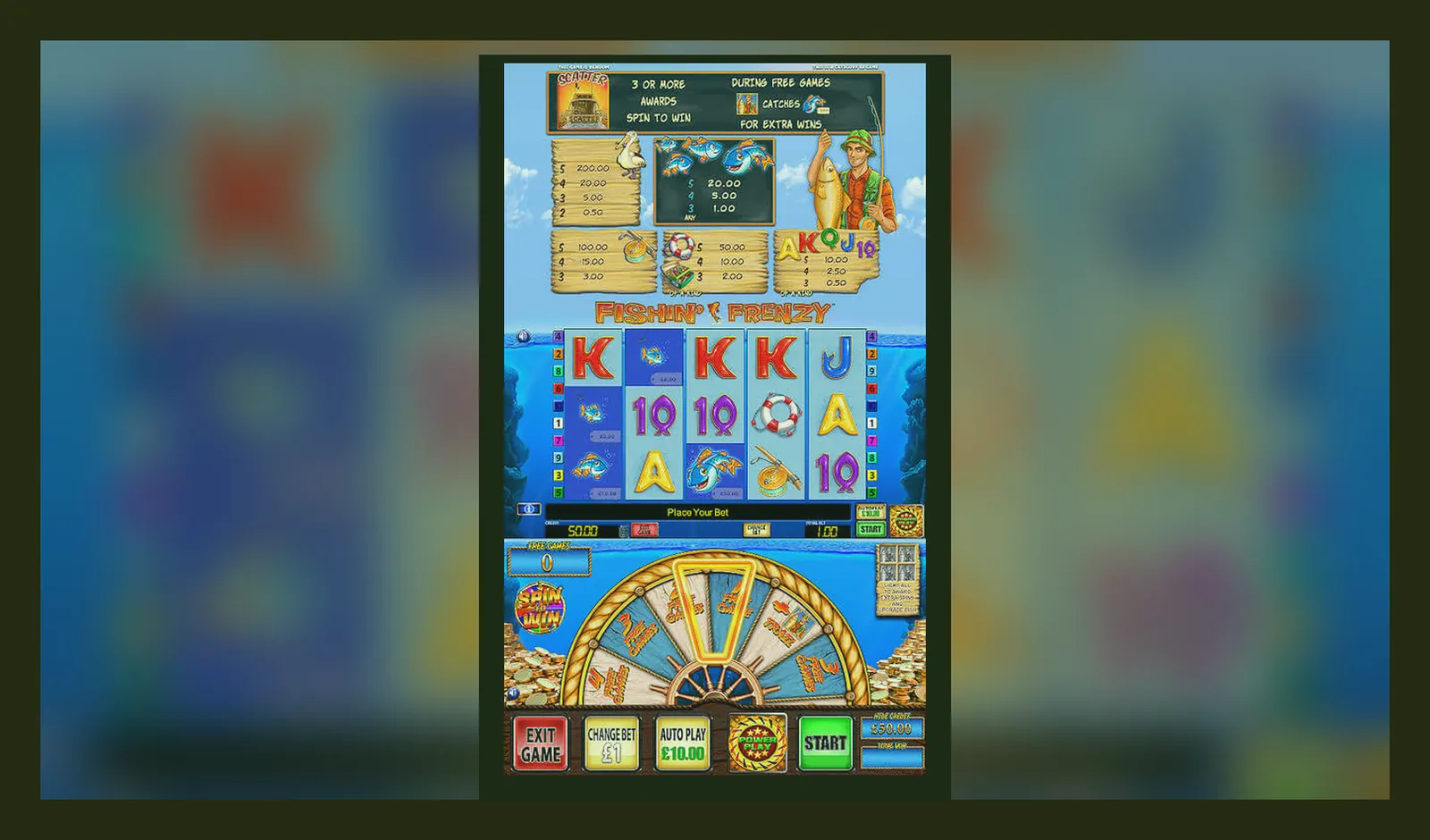
The demo gives you the real game engine — same RTP, same volatility, same bonus round — but it skips everything that costs you time or money: KYC checks, withdrawal waits, bonus wagering, and the emotional weight of real stakes. That makes it useful for learning the mechanics, but it won't prepare you for the friction of switching to real money or the pace at which a losing streak drains your balance.
On UKGC-licensed sites, demo play is common but not universal. Some operators show free play only after you've logged in and passed age verification; others let you spin straight from the game page. Either way, the demo balance resets when it runs out, so you never experience the decision to stop or reload — the part that matters most when you're playing for real.
What the Demo Actually Shows You
The demo runs the same RNG, paytable, and bonus logic as real-money play. If Fishin' Frenzy has an RTP of 96.00%, the demo session uses that same return rate. The volatility is identical: if the game is high variance, the demo will show long losing streaks punctuated by occasional big hits, just as it would with real stakes.
The bet range in demo usually mirrors the real range — often £0.10 to £10.00 per spin on UK sites, though the £5.00 stake cap applies to real play and the £2.00 cap for players aged 18–24. The demo doesn't enforce those limits because there's no real money at risk, but it lets you test the pace at different bet sizes and see how quickly the balance moves.
- Paytable and symbol values: every win in demo pays the same multiple of your bet as it would in real play.
- Bonus trigger frequency: if free spins land every 150 spins on average, the demo reflects that cadence.
- Feature behaviour: any collect mechanic, multiplier, or extra-spin rule works the same way.
- Spin speed and autoplay: you can test turbo mode and see how many spins £100 buys at different bet levels.
What it doesn't show: the feeling of watching real money disappear, the temptation to chase a loss, or the friction of waiting two days for a withdrawal after a win. The demo resets your balance when it hits zero, so you never face the decision to stop or deposit more — the moment that defines responsible play.
Where You'll Find It and Whether You Need an Account
Most UKGC-licensed operators offer demo play, but the access rules vary. Some sites — particularly those with a game aggregator interface — let you launch the demo without logging in. You click «Play for Fun», the game loads in your browser, and you're spinning with virtual credits in seconds.
Others require you to register and verify your age before the demo becomes available. That's partly a safer-gambling measure: the operator confirms you're over 18 before exposing you to gambling content, even in free-play mode. The registration flow is lighter than the full KYC process — usually just an email, date of birth, and postcode — but it's still a barrier.
If you're comparing several sites, check whether demo access is gated. A site that lets you play freely is easier to evaluate, but registration doesn't take long and the age check is legally required before you deposit anyway. Either way, the demo session runs in the browser; you don't need to download anything or install an app.
What a Session Feels Like: Pace, Patterns, and the Fake Safety Net
A typical demo session starts you with £1,000 to £5,000 in virtual credits. You pick a bet size — say £0.50 per spin — and start playing. If Fishin' Frenzy is high volatility, you might see 40 or 50 losing spins before a bonus round lands, then collect £30 from the feature. Your balance dips from £1,000 to £975, then climbs to £1,005. It feels calm because there's no real consequence.
Now translate that to real money. At £0.50 a spin, 50 dead spins cost you £25. If you started with a £50 deposit, you're halfway through your budget before the first bonus. The demo balance resets when it runs out, so you never experience that pressure — the part where you decide whether to stop, reload, or chase the loss. That's the risk the demo hides.
The pace is identical to real play: each spin takes the same fraction of a second, autoplay runs at the same speed, and turbo mode works the same way. What changes is the emotional load. In demo, a 100-spin losing streak is just data; with real money, it's £50 gone and a decision to make.
The Parts the Demo Skips Entirely
The demo shows you the game, but it hides the system around it — the parts that cost time, money, or patience when you switch to real stakes.
Those gaps matter. A demo session might convince you the game is low-risk because you can reload the balance at will. Real play doesn't work that way: every deposit counts toward affordability thresholds, every withdrawal needs verification, and every bonus comes with turnover requirements that lock your balance until you've wagered enough.
Demo on a Phone: Same Game, Smaller Screen
The demo runs in a mobile browser just as it does on desktop. You visit the site, find Fishin' Frenzy in the slots library, and tap «Play for Fun». The game loads in portrait or landscape — whichever the provider supports — and the controls shrink to fit a touch interface. Bet adjustment, autoplay, and the paytable all work the same way; the smaller screen just makes it harder to track the balance or read the small print.
Some sites offer a downloadable app — available on the App Store or Google Play for UKGC-licensed operators — but most slots, including Fishin' Frenzy, run in the browser as a web app. That means no installation, but also no offline mode; you need a stable connection or the demo will stall mid-spin.
If you're testing the game on a phone, set a manual spin limit — say 200 spins — and track the balance. The smaller screen and touch controls make it easier to lose count, and the demo's instant reload makes it feel consequence-free. Real play on mobile has the same friction as desktop: deposits, KYC, withdrawal waits. The demo doesn't prepare you for that.
Switching to Real Money: The Lowest-Risk Path
If the demo convinced you to try real stakes, the safest approach is to start small and treat the first session as a test of the system, not the game. Deposit the minimum the site allows — often £10.00 — and play at the lowest bet the game offers, typically £0.10 per spin. That gives you 100 spins to see how the game behaves with real money and how the site handles deposits, balance updates, and the withdrawal flow.
Avoid welcome bonuses on the first deposit. A 100% match sounds generous, but it usually comes with 35× to 50× wagering, meaning you need to turn over £700 to £1,000 before you can withdraw a £20 win. If you're testing the water, the turnover requirement is a trap. Deposit without a bonus, play 50 or 100 spins, and withdraw whatever's left. The first withdrawal takes longest — 24 to 48 hours for KYC checks — but it confirms the process works.
- Register and pass age verification using your real name and address; the payment method must match your identity.
- Deposit £10.00 via debit card, PayPal, or Faster Payments. Credit cards are banned for gambling in the UK.
- Find Fishin' Frenzy in the real-money lobby and set the bet to £0.10. Play 50 spins and track the balance manually.
- If you're ahead or want to stop, request a withdrawal. Expect to upload ID and proof of address if it's your first time.
- Wait 1–3 working days for the withdrawal to clear. If it arrives without issue, you know the site is reliable.
The Real Risk: Mistaking Practice for Preparation
The demo teaches you the rules, the paytable, and the bonus trigger. It doesn't teach you how to stop when you're losing, how to handle a KYC delay when you want to withdraw, or how to navigate the temptation to chase a loss with a second deposit. Those are the skills that matter, and the demo skips them entirely because there's no real consequence.
If you've played 500 demo spins and never hit a bonus, you've learned the game is volatile. But you haven't experienced the emotional load of watching £50 disappear before the feature lands, or the decision to stop or reload when the balance hits zero. That's the gap between demo and real play, and it's wider than the maths suggest.
Use the demo to understand the mechanics, but don't mistake it for a training ground. The real test starts when you deposit, and the safest path is to start small, skip the bonus, and treat the first session as a systems check, not a hunt for a big win. If you're not comfortable with the idea of losing the entire deposit — because high volatility guarantees long losing streaks — then real play isn't worth the risk, regardless of what the demo showed you.
FAQ
Does the demo use the same RTP and volatility as real-money play?
Yes. The demo runs the same RNG, paytable, and bonus logic as the real game. If Fishin' Frenzy has a 96.00% RTP and high volatility, the demo reflects those numbers. What it doesn't show is the emotional weight of real stakes or the friction of withdrawals, KYC checks, and bonus wagering — the parts that cost you time and money when you switch to real play.
Can I play the demo without registering or verifying my age?
It depends on the site. Some UKGC-licensed operators let you launch the demo without logging in, while others require registration and age verification before free play becomes available. The verification is lighter than full KYC — usually just an email, date of birth, and postcode — but it's still a step. Either way, you'll need to register and pass identity checks before you can deposit real money.
If I win big in the demo, does that mean the game is due to pay out in real mode?
No. Each spin is independent, whether in demo or real play. The RNG doesn't remember what happened in previous sessions, and the demo balance has no connection to real-money outcomes. A big demo win just means the volatility delivered a lucky result within the game's programmed range — it doesn't predict or influence what happens when you play with real stakes.